
DMV Confirms Stricter Rules for Drivers Over 70: What Seniors Must Know for 2026
State Departments of Motor Vehicles (DMVs) across the country, following updated federal safety guidelines, have confirmed new driving license rules that will take effect in 2026. These changes have created concern among many senior drivers, with some headlines suggesting a potential “driving ban for over-70s.”
The reality is more balanced: There is no automatic ban based solely on age. However, under the new 2026 guidelines, drivers aged 70 and above may face license restrictions or revocation if specific medical, vision, or safety requirements are not met.
These changes aim to improve road safety while still allowing fit and capable seniors to continue driving independently. Let’s break down what’s actually changing and what it means for you.
DMV 2026 Rules Explained for Drivers Over 70
Under current laws in most states, drivers must renew their licenses at certain intervals, and many states require more frequent renewal for seniors—typically every 4 to 8 years depending on age and state regulations.
The 2026 DMV updates strengthen this system by:
Increasing medical and vision verification checks
Enhancing accountability during renewal
Implementing stricter consequences for non-compliance
Improving data sharing between DMVs, healthcare providers, and law enforcement
Important: Drivers over 70 will still be allowed to drive, but they must accurately declare medical conditions, meet eyesight standards, and honestly assess their fitness to drive. Failure to meet these conditions could result in license suspension or cancellation.
Is There an Automatic Driving Ban for Over-70s?
No. Despite alarming headlines, no state has introduced an automatic driving ban for people over the age of 70.
What the DMV Actually Says:
Age alone is not a disqualifying factor
Only drivers who are medically unfit, have unsafe vision, or provide false information during renewal could face restrictions
Healthy and capable senior drivers can continue driving legally without issue
The Confusion: Much of the misunderstanding comes from the fact that seniors must renew more frequently and face stricter scrutiny. This is not a ban—it’s enhanced safety monitoring.
Medical Conditions That Could Lead to Driving Restrictions
The 2026 DMV rules place strong emphasis on medical fitness to drive.
Conditions That Must Be Declared:
Heart disease or cardiac conditions affecting consciousness
Diabetes (especially with insulin use or hypoglycemic episodes)
Epilepsy or seizure disorders
Neurological conditions (Parkinson’s, dementia, Alzheimer’s)
Stroke history with residual effects
Sleep disorders (severe sleep apnea, narcolepsy)
Mobility issues affecting vehicle control
Psychiatric conditions affecting judgment
What Happens Next:
If a medical condition significantly affects reaction time, concentration, or vehicle control, the DMV may:
Request additional information from your doctor
Require a driving test
Impose restrictions (daylight driving only, specific areas)
Suspend or revoke the license in severe cases
Critical Point: In some states, physicians are required by law to report patients who are medically unfit to drive.
Eyesight and Vision Rules for Senior Drivers
Vision standards are another critical factor under the new 2026 regulations.
Minimum Vision Requirements (Typical by State):
Visual Acuity: 20/40 or better in at least one eye (with or without corrective lenses)
Visual Field: At least 140 degrees horizontal field of vision
Number Plate Test: Ability to read a license plate from approximately 20-25 metres (varies by state)
What’s Changing:
More rigorous vision screening at renewal
Possible requirement for optometrist certification
Automatic referral to vision specialists if standards aren’t met
If Vision Deteriorates:
If eyesight falls below legal standards and corrective measures (glasses, medication) don’t restore adequate vision, the DMV can impose restrictions or suspend the license until the issue is resolved.
Recommendation: Regular eye exams (at least annually) are strongly recommended for senior drivers to maintain both safety and legal compliance.
License Renewal Changes Under 2026 Rules
The license renewal process for seniors remains largely the same administratively, but the declaration process becomes more critical.
What’s New:
Enhanced Scrutiny: Medical declarations face greater verification
Potential Evidence Requests: The DMV may request medical records, doctor’s reports, or specialist assessments
Consequences for False Declarations: Any false or incomplete medical declaration can result in:
Heavy fines
License cancellation
Legal penalties
Insurance invalidation
The Safe Approach: Be completely honest and transparent during renewal. If you have concerns about a condition, discuss them with your doctor before renewing.
Why DMVs Introduced These New Guidelines
The 2026 updates stem from several factors:
Aging Population: More seniors are driving than ever before
Safety Data: Medical emergencies and age-related declines contribute to accidents
Public Health: Protecting both senior drivers and other road users
Medical Advances: Better understanding of how conditions affect driving
Technology: Improved ability to monitor and verify fitness
Official Position: The focus is on fitness to drive, not age discrimination. These changes protect everyone on the road while respecting seniors’ independence.
What Over-70 Drivers Should Do to Avoid Restrictions
Action Checklist for Senior Drivers:
Renew on Time: Mark your renewal date and apply well before expiration
Declare Honestly: Report all relevant medical conditions accurately
Get Regular Eye Exams: Annual vision checks with an optometrist
Follow Medical Advice: If your doctor suggests limitations, take them seriously
Respond Promptly: Answer any DMV communications immediately
Consider a Refresher Course: AARP Smart Driver or similar programs can improve skills and may earn insurance discounts
Self-Assess Honestly: If you feel less confident, have near-misses, or notice changes in your driving, discuss with family and doctor
Proactive Approach: By following these steps, most seniors can continue driving legally and confidently even after 2026.
The Role of Family Members
Family members play a crucial role in supporting senior drivers through these changes.
How Family Can Help:
Observe Driving: Ride along occasionally to assess safety
Encourage Medical Checks: Remind about eye exams and doctor visits
Assist with Renewal: Help with paperwork and DMV appointments
Watch for Warning Signs: Unexplained dents, getting lost, hesitation
Have Honest Conversations: Discuss concerns respectfully, focusing on safety
If Concerns Arise: Many states allow family members to submit confidential reports to the DMV about unsafe drivers, with protections against liability.
Public Reaction to the 2026 Driving Rule Changes
The announcement has sparked mixed reactions across the country.
Supporters Say:
Changes are necessary and overdue
Will make roads safer for everyone
Protects seniors from accidents they may cause
Advocacy Groups Caution:
Age should never be treated as automatic unfitness
Need to ensure decisions are individualized, not blanket policies
Must protect against age discrimination
DMV Response: Officials have reassured the public that decisions will be individual-based, not age-based, focusing on actual safety risk rather than stereotypes.
Common Questions About the 2026 Senior Driving Rules
Q: Will I automatically lose my license at 70?
A: Absolutely not. Age alone is never grounds for license cancellation.
Q: What if I have a medical condition but it’s well-controlled?
A: Generally fine. Declare it honestly, and the DMV will assess based on medical evidence.
Q: How strict is the vision test?
A: Standards vary by state but typically require 20/40 vision with or without correction.
Q: Can I appeal if my license is restricted?
A: Yes, all states have appeal processes. You may need medical documentation.
Q: Do these rules apply in every state?
A: Federal guidelines provide framework, but specific rules vary by state. Check with your local DMV.
How Different States Are Implementing Changes
While federal guidelines provide the framework, implementation varies by state.
Examples (General Trends):
California: Enhanced medical reporting requirements
Florida: Stricter vision testing at renewal
Texas: Expanded online renewal with medical attestation
New York: Increased data sharing with healthcare providers
Illinois: More frequent renewals for seniors (already every 4 years)
Action: Visit your state DMV website for specific requirements in your area.
Conclusion
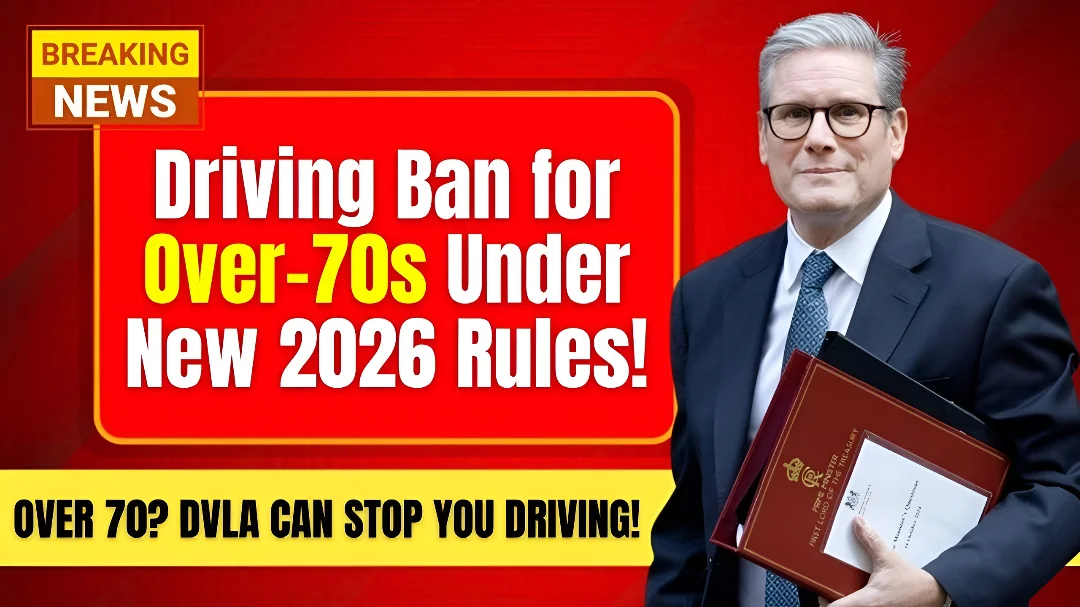
The headline “DMV Confirms Driving Ban for Over-70s Under New 2026 Rules” does not mean all senior drivers will lose their licenses.
The Reality:
✅ No automatic age-based ban
✅ Stricter medical and vision checks ensure safer roads
✅ Fit, healthy, responsible seniors continue driving without restriction
✅ Only unsafe cases may face restrictions or revocation
✅ Individual assessment, not age discrimination
Key Takeaways for Senior Drivers:
Stay informed about your state’s specific requirements
Maintain regular medical and vision check-ups
Be honest during license renewal
Respond promptly to DMV communications
Drive safely and self-assess regularly
By understanding these changes and taking proactive steps, senior drivers can continue enjoying the freedom and independence that driving provides—safely and legally—for years to come.
Remember: The goal is safety for everyone on the road, including you. Stay informed, stay healthy, and drive safely.